Can I Avoid Knee Surgery? What Greenville Patients Need to Know
Thousands of patients are told knee replacement is inevitable. Regenerative medicine is changing that story — here's what your options actually look like.

If you've been told you need a knee replacement, you're not alone. Knee osteoarthritis affects millions of Americans, and for many, the conventional medical path leads straight to the operating room. But surgery is a major undertaking — weeks of recovery, physical therapy, anesthesia risks, and no guarantee of a pain-free outcome.
The question we hear most often at Cellular Wellness Clinics is simple: Is there another way?
For many patients, the answer is yes.
Why Patients Want to Avoid Knee Replacement
Knee replacement surgery (total knee arthroplasty) is one of the most commonly performed orthopedic procedures in the United States. And while it can be genuinely life-changing for the right patient, it comes with real trade-offs:
- Recovery takes months. Most patients spend 3–6 months in rehabilitation before returning to normal activity.
- Implants have a lifespan. Artificial knee joints typically last 15–20 years, meaning younger patients may face revision surgery later.
- Results aren't guaranteed. Studies show that 20% or more of patients report dissatisfaction with their outcome after knee replacement.
- Surgical risks are real. Blood clots, infection, nerve damage, and anesthesia complications are all possibilities.
For patients who are active, younger, or simply not ready for surgery, these factors make the search for alternatives very reasonable.
What's Actually Causing Your Knee Pain?
Before exploring alternatives, it helps to understand what's driving your pain. The most common culprits include:
Osteoarthritis — the gradual breakdown of cartilage that cushions the joint. As cartilage wears away, bone rubs against bone, causing pain, stiffness, and swelling.
Meniscus tears — damage to the C-shaped cartilage pads inside the knee, often from injury or age-related degeneration.
Ligament damage — partial tears or chronic instability in the ACL, MCL, or other supporting structures.
Chronic inflammation — systemic or localized inflammation that keeps the joint in a constant state of irritation.
Each of these conditions responds differently to treatment, which is why a thorough evaluation is the essential first step.
Non-Surgical Alternatives Worth Knowing About
Stem Cell Therapy
Stem cell therapy is one of the most promising regenerative approaches for knee pain. The treatment uses concentrated biological material — either from your own body or carefully screened donor tissue — to stimulate repair of damaged cartilage, reduce inflammation, and restore function.
Unlike surgery, there's no cutting, no hospital stay, and no lengthy recovery. Most patients return to light activity within days. Results develop gradually over weeks to months as the regenerative process takes hold.
At Cellular Wellness Clinics, stem cell therapy is one of our most requested treatments for knee osteoarthritis, and many patients have been able to delay or entirely avoid surgery as a result.
PEMF Therapy (Pulsed Electromagnetic Field)
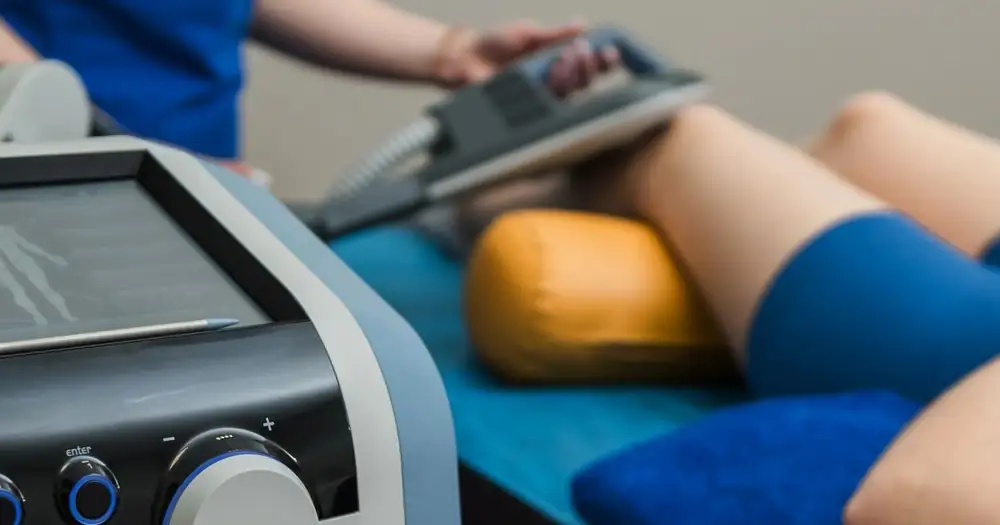
PEMF therapy uses low-frequency electromagnetic pulses to penetrate deep into joint tissue, reducing inflammation and stimulating the body's natural cellular repair processes. It's completely non-invasive and has a strong body of research supporting its use for musculoskeletal pain.
For knee patients, PEMF can be a powerful complement to other regenerative treatments — accelerating healing and providing meaningful pain relief on its own.
Red Light Therapy
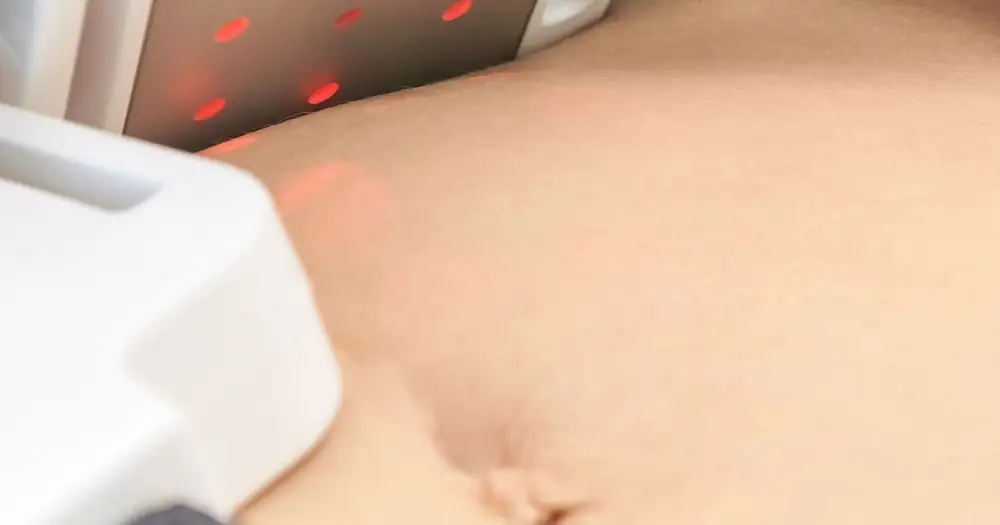
Red and near-infrared light therapy works at the cellular level, stimulating mitochondrial activity and reducing oxidative stress in damaged tissue. For knee pain, it can help reduce swelling, improve circulation to the joint, and support tissue repair.
It's painless, takes minutes per session, and has no downtime.
Shockwave Therapy
Acoustic shockwave therapy delivers targeted energy pulses to areas of chronic pain and tissue damage. It's particularly effective for tendon-related knee issues and has been shown to stimulate healing in tissue that has become chronically inflamed or calcified.
How We Approach Knee Pain at Cellular Wellness Clinics
We don't believe in one-size-fits-all treatment. When a patient comes to us with knee pain, we start with a comprehensive evaluation — reviewing imaging, medical history, previous treatments, and functional limitations — before recommending anything.
Our approach typically combines multiple modalities for the best outcome. A patient with moderate knee osteoarthritis might receive stem cell therapy alongside PEMF sessions and red light therapy, creating a layered regenerative environment that gives the joint the best possible chance to heal.
Dr. Bennett has over 13 years of experience in regenerative and cellular medicine, and has helped hundreds of patients in the Greenville area find meaningful relief without going under the knife.
Who Is a Good Candidate for Non-Surgical Knee Treatment?
Regenerative approaches tend to work best for patients who:
- Have mild to moderate osteoarthritis (Kellgren-Lawrence grade 1–3)
- Are experiencing pain that limits daily activity but haven't yet lost full joint function
- Have not found lasting relief from physical therapy, cortisone injections, or anti-inflammatory medications
- Want to explore all options before committing to surgery
- Are in generally good health without active infection or certain autoimmune conditions
Patients with severe, end-stage arthritis (bone-on-bone with significant joint deformity) may ultimately need surgical intervention — and we'll tell you that honestly if it's the case. But in our experience, many patients who are told they "need" surgery are actually good candidates for regenerative care.
Frequently Asked Questions
How do I know if I'm a candidate? The only way to know for certain is a consultation. We'll review your imaging and history and give you an honest assessment of what regenerative medicine can realistically offer you.
How long do results last? Results vary depending on the severity of the condition and the treatment used. Many patients experience significant relief for 1–3 years or longer. Some require periodic maintenance treatments.
Can I combine regenerative treatment with physical therapy? Absolutely — in fact, we often recommend it. Physical therapy helps strengthen the muscles around the knee, which reduces load on the joint and supports long-term outcomes.
What if regenerative treatment doesn't work for me? Surgery remains an option. Pursuing regenerative care first does not close any doors — and for many patients, it opens ones they didn't know existed.
Take the Next Step
If you're facing a knee replacement recommendation and want to explore your options, we'd love to talk. Cellular Wellness Clinics serves patients throughout Greenville, SC and the surrounding Upstate region.
Call us at (864) 438-4651 to schedule a consultation. You deserve a full picture of what's possible before making a decision this significant.